

Thailand Tourist Visa: Everything You Need to Know for 2026
Planning a trip to the Land of Smiles? Thailand is more welcoming than ever in 2026, but the rules for entry have become more digital and a lot more strictly enforced. Whether you’re heading to the beaches of Phuket or the mountains of Chiang Mai, here is everything you need to know about getting your Thailand tourist visa and entering the country smoothly.
🗺️ Planning an Asia trip is incredible—but the logistics can be overwhelming.
From navigating complex train routes to organizing hidden local experiences, we handle it all for you. Let us custom-design your perfect, bespoke itinerary.
Get a Free Custom Quote100% free with zero commitment.

You could be here soon…
Thailand Tourist Visa: Visa Exemption vs. Visa on Arrival
Most travelers fall into one of these two categories for their Thailand tourist visa:
Thai Visa Exemption: CHANGED as of May 19th 2026
Currently, citizens from 93 countries (including the US, Canada, Australia, and most of Europe) can enter Thailand without applying for a visa in advance.
Stay Duration: You get a stamp for 30 days (reduced from 60 days. Some countries may be less than 30 days now)
Cost: Free.
Thai Visa on Arrival (VoA)
If your country isn't on the exemption list but is on the VoA list (about 31 countries), you apply at a dedicated booth at the airport.
Stay Duration: 15 days.
Cost: 2,000 THB (cash only).
Passport Validity for Entry to Thailand
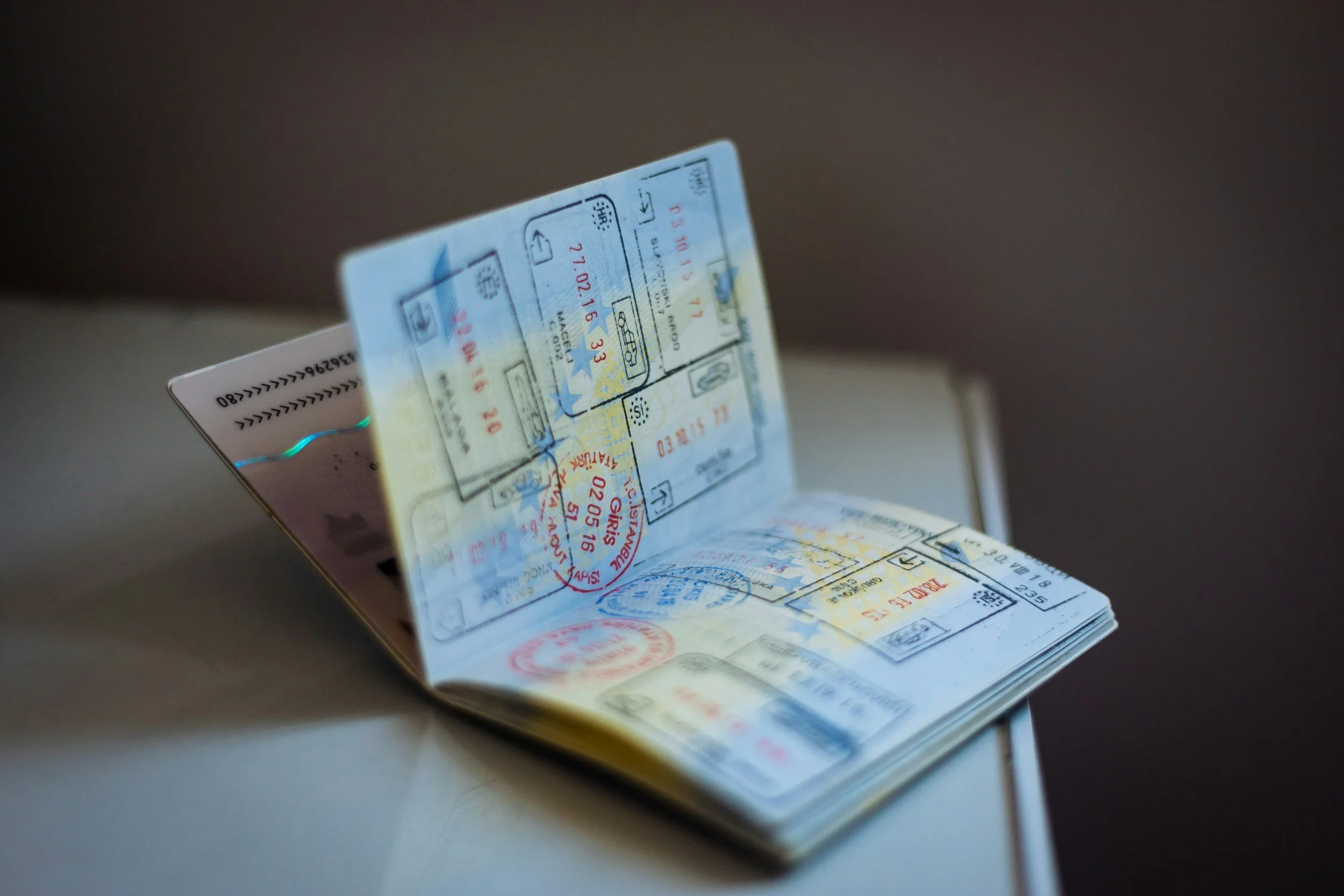
Before you even book your flight, check your passport. Thailand is strict about the 6-month validity rule. Your passport must be valid for at least six months from the date you enter the country. If you have less than that, airlines might deny you boarding before you even leave home.
Pro Tip: Make sure you have at least two completely blank pages for your entry and exit stamps!
2026 Essential Information
The Thailand Digital Arrival Card (TDAC) is 100% free. If you find a website charging a "service fee" or "processing charge" for the QR code, it is a third-party agency. To avoid scams and overpaying, please only use the official Thai Immigration portal for your registration.
The Thailand Digital Arrival Card (TDAC)
Gone are the days of scrambling for a pen on the airplane to fill out a blue paper form. As of 2025, the old TM6 paper card has been replaced by the Thailand Digital Arrival Card (TDAC).
Who needs it? Every foreign traveler entering by air, land, or sea.
When to do it: You must submit it online via the official Thai Immigration portal within 72 hours (3 days) before your arrival.
Cost: It is completely free. DON”T use any third parties that charge you for this!
The Result: You’ll get a QR code. Save it to your phone or print it; you’ll need to show it to the immigration officer when you land.
Staying Longer: Options for Over 60 Days in Thailand
If 60 days isn’t enough, Thailand has introduced several new ways to stay long-term:
The Destination Thailand Visa (DTV): This is the biggest change for 2026. If you are a digital nomad, remote worker, or attending a Muay Thai/cooking course, you can apply for this 5-year, multiple-entry visa.
Stay: 180 days per entry (extendable once for another 180 days).
Requirement: You must show at least 500,000 THB (~$17,000) in a bank account., Letter of acceptance from institute or company organizing activities or employment contract for remote work
Multiple Entry Tourist Visa (METV): Valid for 6 months, allowing you to enter as many times as you like, with each stay capped at 60 days.

Don’t get stuck in the airport
The Recent "Visa Run" Crackdown
In the past, many travelers lived in Thailand for years by crossing a border to a neighboring country for a day and coming right back. Those days are mostly over.
In 2026, immigration officers are much more likely to question you if they see a history of back-to-back tourist entries.
The 2-Entry Rule: You are generally only allowed two visa-exempt entries via land borders per calendar year.
Scrutiny: If you have spent more than 180 days in Thailand in the last year on tourist stamps, you may be asked to show proof of funds (20,000 THB in cash) and a flight out, or you may be denied entry.
🇬🇧 Thailand Visa for UK Citizens
If you’re traveling on a British passport, here’s your specific checklist for 2026:
No Visa Needed: You qualify for the 60-day visa exemption. No need to apply for anything before you fly.
Extension: You can extend your 60-day stay by another 30 days at an immigration office (like Chaeng Watthana in Bangkok) for 1,900 THB.
Proof of Funds: While rare, you can be asked to show you have at least 20,000 THB (approx. £450) in cash or equivalent.
Long Stays: If you want to work remotely, the DTV is your best bet. You must apply for it via the Royal Thai Embassy in London e-visa portal before you travel.
Frequently Asked Questions: Thailand Tourist Visas 2026
Do UK citizens need a visa for Thailand in 2026? No, UK citizens (and citizens of 92 other countries) currently receive a 30-day visa exemption upon arrival for tourism purposes. You do not need to apply for a visa in advance, but you must complete the mandatory Thailand Digital Arrival Card (TDAC) before landing.
What is the Thailand Digital Arrival Card (TDAC)? The TDAC is the mandatory digital entry form that replaced the old paper TM6 arrival cards. It is 100% free and should be completed via the official immigration portal within 72 hours of your arrival in Thailand.
How much passport validity do I need to enter Thailand? Your passport must be valid for at least 6 months from your date of entry into Thailand. If your passport has less than 6 months of validity, you will likely be denied boarding by your airline.
Can I extend my stay in Thailand beyond 30 days? Yes, if you enter under the 30-day visa exemption, you can typically apply for a 30-day extension at a local Thai Immigration office for a fee of 1,900 THB. This allows for a total stay of 60 days.